
TL;DR

Get business pricing on garage and car supplies
- Business-only prices and quantity discounts
- Tax-exempt purchasing
- Multiple users, one account, clear invoices
The best leather seat replacement kits for trucks offer precise fit, airbag safety, durable automotive-grade materials, and easy installation. Picking the right kit can transform your truck’s interior without breaking the bank.
Always verify your truck’s exact make, model, and year before buying a kit.
Prioritize airbag compatibility and factory feature retention for safety and function.
Materials like full-grain leather and automotive-grade synthetic leather offer durability and style.
Professional installation ensures a factory-like finish and safety compliance.
Latest kits combine model-specific fit with advanced features like ventilation and eco-friendly materials.
How to Pick the Perfect Leather Seat Replacement Kit for Your Truck
Choosing the right kit isn’t about the fanciest stitching or the brightest color — it’s about fit, safety, and durability. You need a kit that matches your truck’s make, model, and features like airbags and heated seats. For example, a 2015 Ford F-150 with side airbags needs a kit with carefully sewn tear seams and safety labels. Otherwise, you risk compromising safety or ending up with a seat that looks off.
Start by verifying compatibility. Check the exact year, trim, and seat configuration. Next, consider material quality. Full-grain leather feels luxurious but costs more; synthetic leather offers easier maintenance and water resistance. Remember, a kit for a similar-looking truck may not fit perfectly. Precision matters, especially with modern safety features like side airbags and ventilation systems.
Why does this matter? An ill-fitting kit can interfere with safety features, causing airbags to deploy improperly or not at all, which poses a serious risk. Poor fit can also lead to premature wear, wrinkles, and a less professional appearance, undermining the upgrade’s purpose. Ensuring compatibility isn’t just about aesthetics — it’s about maintaining the integrity and safety of your vehicle’s interior systems. The tradeoff is often between cost and precision; investing in a correctly matched kit might be more expensive initially but saves money and safety concerns in the long run.
Products Worth Considering

DEWALT 20V MAX Cordless Drill and Impact Driver Combo Kit (DCK240C2)

Chemical Guys 14-Piece Arsenal Builder Car Wash Kit with Foam Blaster

Meguiar's G55048 Ultimate Car Care Kit
As an affiliate, we earn on qualifying purchases.
Material Matters: What Leather and Vinyl Options Are Best?
Leather quality varies greatly. Full-grain or top-grain leather is the gold standard — durable, soft, and aging beautifully. But it comes at a premium. Automotive-grade leather is engineered for the rigors of daily driving, resisting fading and cracking. Synthetic options like leatherette or vinyl are budget-friendly, water-resistant, and easier to clean, making them popular for work trucks or rough conditions.
Choosing the right material involves understanding the tradeoffs. Full-grain leather offers unmatched comfort and aging characteristics, developing a unique patina over time that many enthusiasts prize. However, it’s more susceptible to scratches and water damage if not properly maintained. Synthetic options, while less luxurious, provide resilience against dirt, moisture, and wear, which can be crucial in demanding environments. For example, a work truck exposed to dirt and moisture benefits from synthetic leather’s water resistance, reducing cleaning frequency and extending the seat’s lifespan.
Perforated leather adds style and breathability, especially beneficial for heated or ventilated seats, but it can trap dirt or debris if not cleaned regularly. The decision to prioritize style, comfort, or durability depends on your specific use case and climate. Proper coverage—whether full or partial—ensures uniform wear and aesthetic consistency. Ultimately, the choice of material impacts not just appearance but also the long-term performance and maintenance needs of your seats, making it a critical consideration for a successful upgrade.
Safety First: How to Ensure Your Kit Is Airbag-Friendly
Modern truck seats often include side-impact airbags, which deploy through tear seams in the upholstery. A replacement kit must accommodate these features; otherwise, airbags might not deploy correctly or could be damaged. For example, a 2018 Ram 1500’s side airbags require upholstery with specially sewn seams and safety labels.
Always look for kits explicitly designed for your truck’s airbag system. Check for manufacturer specifications or labels indicating airbag compatibility. Never use generic covers that don’t specify safety features — your life could depend on it.
Why is this critical? Airbags are a vital safety feature designed to protect you in a crash. If the upholstery doesn’t match the original design, airbags may fail to deploy properly, or the seams could rupture upon impact, reducing their effectiveness. Using incompatible kits can unintentionally compromise safety, leading to increased injury risk. The tradeoff here is between ease of installation and safety assurance. Always prioritizing airbag compatibility ensures your upgrade doesn’t inadvertently become a safety hazard. When in doubt, consulting a professional installer or manufacturer guidelines can help you avoid costly mistakes that threaten your safety.
Features That Make or Break Your Leather Seat Upgrade
A quality kit should keep all your factory features intact. Think heated seats, ventilation, power adjustments, lumbar controls, and child-seat anchors. For instance, a 2019 Silverado with built-in heating needs a kit that allows the heating elements to work seamlessly.
Why does this matter? Features like heating and ventilation are not just luxuries—they significantly affect comfort and usability. A kit that blocks vents or disables controls can turn what should be a seamless upgrade into a frustrating experience. For example, covering ventilation holes can trap heat or moisture, leading to discomfort or mold growth. Power adjustments rely on electrical connections; a poorly designed kit may interfere with seat controls, reducing functionality. Child-seat anchors are essential for safety during travel; if the new cover obscures them, it compromises safety compliance. The tradeoff is between aesthetic customization and preserving functionality. Ensuring your kit supports all original features maintains the seat’s integrity and your comfort, making the upgrade truly worthwhile.
Installation Tips: How to Get a Factory-Like Finish
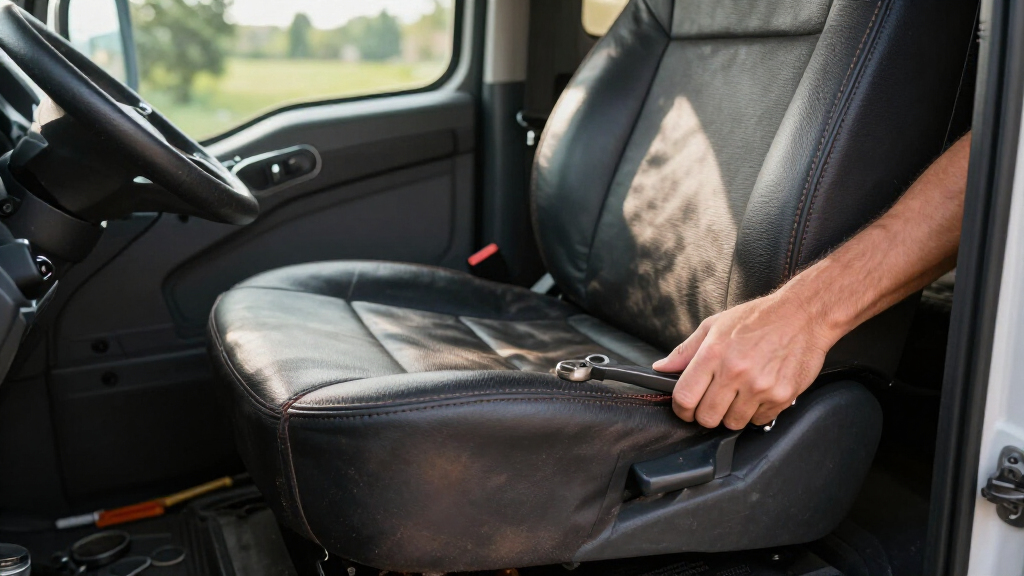
Installing a leather kit isn’t just about slapping on new covers. It involves removing seats, disconnecting the battery (especially near airbags), and carefully stretching and fastening the material. For example, professional upholsterers often use hog rings and special tools to get a tight, smooth finish that looks factory.
If you’re DIY-savvy, follow a step-by-step guide or watch tutorial videos for your specific vehicle. Take your time — rushing can cause wrinkles, loose edges, or uneven stitching. Proper techniques such as evenly tensioning the material and securely fastening edges help achieve a seamless, professional appearance. Using quality tools and adhesives ensures the longevity of the installation. When in doubt, professional installation guarantees a cleaner, longer-lasting result, and helps avoid costly mistakes that could compromise safety or aesthetics.
Durability and Climate Resistance: How to Make Your Seats Last
Truck interiors face sun, rain, mud, and frequent entry-exit cycles. Look for kits with UV-resistant, colorfast, and abrasion-resistant materials. For instance, a fleet of work trucks uses synthetic leather with a protective coating that withstands harsh sunlight and rough handling.
Why does this matter? Durability features directly impact the lifespan and appearance of your seats. UV resistance prevents fading and cracking caused by sun exposure, while abrasion resistance helps withstand daily wear and tear. Water-repellent coatings are crucial in climates with frequent rain or snow, preventing moisture from seeping in and causing mold or deterioration. Perforated leather, while offering better ventilation, can trap dirt or debris if not properly maintained. Considering these features ensures your investment lasts longer, maintains its aesthetic appeal, and reduces ongoing maintenance costs. The tradeoff often involves higher initial costs for premium materials, but this investment pays off through extended durability and lower replacement frequency.
Custom Looks: How to Style Your Truck’s Interior with Leather
Many brands offer options like contrast stitching, two-tone colors, embroidered logos, piping, quilted patterns, and matching door panels. For example, a 2020 Ford F-250 owner chose a black and gray kit with contrasting red stitching for a sporty look.
Why does style matter? A customized interior not only reflects your personality but also enhances the overall aesthetic appeal of your truck. Thoughtful styling choices can create a cohesive look that elevates the entire cabin. However, overly bold patterns or mismatched colors can clash with existing interior elements, creating a disjointed appearance. Consider how the new leather complements your dashboard, door panels, and other accents. Matching or contrasting stitching can add subtle refinement, while embroidered logos or quilted patterns provide a premium feel. The tradeoff involves balancing personal style with interior harmony—selecting the right design elevates your truck’s interior from ordinary to extraordinary, making every drive more enjoyable.
What’s the Real Cost of a Leather Seat Makeover?
The price tag depends on the quality of materials, the number of seats, and whether you hire a professional. Basic slipcovers can be affordable, but full replacement kits for a crew cab with heated, ventilated seats can run into several thousand dollars.
Why does this matter? Understanding the true costs helps you set realistic expectations and plan your budget accordingly. Cheaper options might seem attractive upfront but could require frequent replacements or repairs, ultimately costing more. Conversely, investing in higher-quality materials and professional installation might seem costly initially but provides better longevity, safety, and aesthetic appeal. Factor in additional expenses such as shipping, installation tools, hardware, foam repairs, and customization options. For example, a mid-range kit for a 2017 Ram 1500 might cost $800, but professional installation could add another $500 or more. Recognizing these costs ensures you make an informed decision that balances quality, safety, and budget constraints.
The Latest Trends in Truck Leather Seat Upgrades
Newer kits feature better synthetic leather that mimics real leather’s look and feel. Digital patterning creates a tight, model-specific fit. Many kits now support heated, ventilated, and power features, with more customizable options like embroidery and contrasting stitching.
Eco-friendly materials, recycled synthetics, and easy DIY installation guides are also trending. For example, a 2023 kit for a Toyota Tacoma uses recycled materials and comes with video tutorials, making DIY installation more accessible than ever.
Why do these trends matter? They reflect a shift toward more sustainable, functional, and personalized vehicle interiors. Advanced synthetic leathers offer a realistic appearance and improved durability, while model-specific patterns ensure a snug fit that looks professional. Eco-conscious choices appeal to environmentally aware consumers without sacrificing quality. Customization options allow owners to create a truly unique interior that stands out. Staying abreast of these trends ensures your upgrade isn’t just current but also future-proof, offering the best blend of style, function, and sustainability.
Common Mistakes to Avoid When Choosing a Leather Seat Kit
Picking a kit based solely on brand or price can backfire. Always verify vehicle compatibility and safety features. Never assume generic covers are airbag-safe. Ignoring seat features like heating or ventilation can lead to costly modifications.
Another common mistake is neglecting the condition of your existing seats. Installing a new cover over a worn-out foam or damaged frame can cause discomfort and reduce the lifespan of your upgrade. Additionally, rushing the installation process without proper tools or knowledge can result in wrinkles, loose edges, or uneven stitching, which detracts from the professional look you’re aiming for. Lastly, overlooking the importance of safety labels and manufacturer instructions can lead to safety hazards, especially with airbags. The tradeoff here is between saving time or money and risking safety or aesthetic quality. Proper research, verification, and sometimes professional help can prevent these costly and dangerous mistakes, ensuring your investment pays off in comfort and safety.
Your Questions Answered: Leather Seat Replacement Kit FAQs
Are leather seat replacement kits worth it? They upgrade your interior’s look and feel without full replacement. If your seats are worn but structurally sound, a quality kit can add comfort and resale appeal.
How much do they cost? Prices range from a few hundred dollars for basic slipcovers to several thousand for full kits with professional installation.
Can I install it myself? Experienced DIYers can, but it’s complex — especially near airbags and electrical components. Professional installation guarantees safety and a tight finish.
Will airbag-equipped seats work with aftermarket kits? Only if the kit is specifically designed for your vehicle’s airbags. Otherwise, you risk safety issues.
How long does installation take? Usually a day or two for professional installation, longer if DIY.
Conclusion
Choosing the best leather seat replacement kit isn’t about the cheapest option — it’s about the right fit, safety, and durability. A well-selected kit can make your truck feel new again, boosting comfort and style for years to come.
Imagine sliding into seats that look and feel like they came straight from the factory. That’s the power of the right leather upgrade. Don’t settle for less — pick smart, install carefully, and enjoy the transformation.