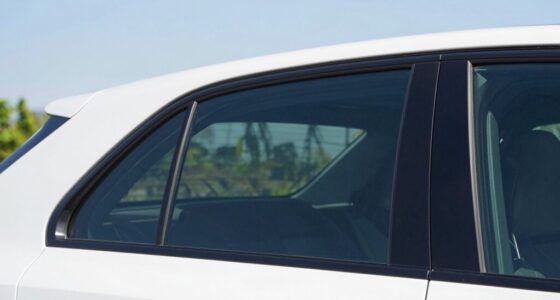
Car window tinting offers benefits like UV protection, glare reduction, improved comfort, and enhanced safety while giving your vehicle a stylish look. It’s important to know that laws regulate how dark your tint can be, depending on where you live. There are different types of tints, such as dye, metal, and ceramic, each with its own durability and features. To make the best choice and avoid common pitfalls, it’s helpful to understand the process and maintenance tips—discover more as you explore this guide.

Get business pricing on garage and car supplies
- Business-only prices and quantity discounts
- Tax-exempt purchasing
- Multiple users, one account, clear invoices
Key Takeaways
- Window tinting offers UV protection, glare reduction, and temperature control, enhancing driving comfort and interior preservation.
- Legal regulations specify maximum tint darkness and reflectivity; compliance prevents fines and legal issues.
- Types include dye, metal, and ceramic tints, with ceramic offering superior heat rejection and durability.
- Consider material quality, warranty, and vehicle compatibility when choosing a tint to ensure longevity and performance.
- Proper installation and maintenance, such as gentle cleaning and avoiding harsh chemicals, extend tint lifespan and appearance.
Products Worth Considering

Autel MaxiCOM MK900BT Bidirectional Diagnostic Scanner with 40+ Services and CAN-FD & DOIP Protocols

NOCO Boost GB150 3000A UltraSafe Jump Starter, 12V Lithium Battery Booster
Nextbase iQ 4K Smart HD Dash Cam Pro with 64GB microSD Card – Front and Rear View, 1440p, Smart Sense Parking, Emergency SOS, Roadwatch AI
As an affiliate, we earn on qualifying purchases.
Advantages of Car Window Tinting

Car window tinting offers several practical benefits that enhance your driving experience. One major advantage is UV protection, which blocks harmful rays from reaching your skin and fading your car’s interior. This helps you stay safer and preserves your vehicle’s appearance over time. Additionally, glare reduction is a key benefit; tinted windows minimize the blinding reflections from the sun and headlights, making driving more comfortable and safer. With less glare, you can see the road better and reduce eye strain during long trips or bright days. These features combine to improve your overall comfort and safety behind the wheel. By choosing the right tint, you enjoy a cooler, more protected, and visually comfortable driving environment every time you hit the road. Understanding window tinting benefits can help you make informed choices for your vehicle. Moreover, understanding the key traits of successful quality assurance engineers can improve your decision-making process when selecting the best tinting services. Recognizing the importance of color accuracy in selecting tint shades can ensure you achieve the desired aesthetic and functional results. A good quality tint often involves easy cleanup features, making maintenance simpler over time. Additionally, selecting a reputable installer is crucial to prevent miscommunication and ensure the tint is applied correctly for long-lasting results.
Legal Considerations and Regulations
Understanding the legal considerations surrounding window tinting is essential before you get your vehicle done. Regulations vary by state and often specify permitted tint darkness and reflectivity levels to address privacy concerns and guarantee visibility. Violating these laws can lead to fines or the need to remove illegal tint. To help you stay compliant, review your local laws carefully. Here’s a quick overview:
| State | Max Tint Darkness | Restrictions/Notes |
|---|---|---|
| State A | 35% VLT | No reflective tints on front windows |
| State B | 20% VLT | Medical exemptions available |
| State C | 50% VLT | Must display sticker |
| State D | 25% VLT | UV protection is encouraged |
Always prioritize legal limits to protect your privacy concerns while ensuring safety and compliance. Additionally, understanding window tint regulations can help you avoid penalties and ensure your vehicle remains legal on the road. It’s also important to consider UV protection options to safeguard your skin and interior materials while staying within legal limits. Being aware of performance standards related to tinting can further ensure your choices meet safety requirements. Familiarity with tinting laws can help you navigate potential restrictions more effectively. Incorporating laws and regulations into your planning can help you make informed decisions for your vehicle tinting.
Different Types of Window Tints

When choosing window tints, you’ll notice options like dye and metal tints, each offering different benefits. Dye tints are budget-friendly and provide decent UV protection, while metal tints are more durable and reflect more heat. Ceramic tints stand out with their advanced technology, delivering superior heat rejection and clarity without interfering with signals. Additionally, understanding the different window tint types can help you select the best option for your needs and preferences. Proper installation and free floating techniques can also influence the longevity and performance of your tint, ensuring it remains effective over time. Regular practice and visual and auditory cues are important for mastering techniques such as sound therapy, which can significantly enhance auditory processing and speech clarity. Moreover, selecting the right application methods can improve the overall durability and appearance of your tint. Considering different application techniques can ensure a smoother, more professional finish that lasts longer.
Dye Vs Metal Tints
Choosing between dye and metal window tints depends on your priorities for appearance, heat rejection, and durability. Dye tints are budget-friendly and provide good UV protection, but they may fade over time and lack metallic shine. Metal tints, on the other hand, offer superior heat rejection and UV protection, which enhances aesthetic appeal with a reflective, sleek look. However, they can interfere with electronic signals and may be more expensive. Understanding electromagnetic interference can help you determine if metal tints are suitable for your vehicle. Additionally, some professional installation services include appliance testing and compatibility to ensure your vehicle’s electrical system remains unaffected.
Ceramic Tint Advantages
Have you considered the benefits of ceramic window tinting? This type offers superior solar heat reduction, keeping your car cooler and more comfortable. Unlike other tints, ceramic films block a significant amount of solar heat without interfering with your signals or electronics. Plus, ceramic tints provide excellent UV protection, shielding you and your interior from harmful rays that cause fading and skin damage. They don’t fade or interfere with radio, GPS, or cell signals, making them a reliable choice. Although they tend to be more expensive upfront, their durability and performance make them a worthwhile investment. If you want a tint that enhances comfort, protects your interior, and offers reliable UV blocking, ceramic window tinting is an excellent option. Additionally, window tinting technology has advanced to improve both performance and longevity, ensuring your investment lasts for years. As the performance of connected technologies in the automotive industry continues to improve, ceramic tints are increasingly compatible with modern electronic systems, making them even more beneficial. Furthermore, solar heat rejection capabilities are continually being enhanced through innovative materials, providing even better comfort and energy efficiency. Newer materials and coatings also contribute to the durability and appearance of the tint, helping it maintain clarity and effectiveness over time. Moreover, advancements in nanotechnology are helping ceramic tints achieve even higher levels of performance and longevity.
Factors to Consider When Choosing a Tint

When choosing a window tint, you need to contemplate legal regulations and tint darkness limits to avoid fines. The quality and durability of the material also matter, as they affect how long your tint lasts and performs. Make sure to select a tint that complies with laws while offering reliable protection and longevity. Additionally, understanding Piercing Care and Hygiene and their popular procedures can help you choose the right tint for your vehicle’s style and ambiance. Being aware of safety considerations can also ensure your tint installation does not compromise your vehicle’s safety features or visibility. For example, selecting a tint that promotes digital literacy at home can foster a safer online environment for your family.
Legal Regulations Compliance
Ensuring your window tint complies with legal regulations is vital to avoid fines and the hassle of removal. Start by researching your state’s legal restrictions on tint darkness and reflectivity, as these vary widely. Certification requirements are also essential; some states mandate that tints come with certification labels proving they meet legal standards. Always verify that your selected tint has the proper documentation to avoid penalties. Ignoring these regulations can result in costly fines or being forced to remove the tint. It’s best to consult local laws or speak with professional tint installers who are familiar with your area’s rules. Staying compliant ensures your tint enhances your vehicle without legal issues, offering peace of mind and a smoother ownership experience.
Tint Darkness Limitations
Choosing the right window tint involves understanding the darkness limits allowed by law, as exceeding them can lead to fines or having to remove the tint. These restrictions vary by state or country, so it’s essential to be aware of local regulations. When selecting your tint, consider how darkness impacts UV protection and interior cooling, both vital for comfort and protection. Too dark, and you risk legal issues; too light, and you might not get enough UV or heat reduction. Keep in mind:
- Most laws specify a minimum visible light transmission (VLT) percentage
- Darker tints provide better UV protection and interior cooling
- Overly dark tints can impair visibility and safety
- Always verify local tinting laws before installation
Balancing legality and benefits ensures you enjoy maximum UV protection and interior cooling without legal trouble.
Material Quality and Durability
Selecting a high-quality window tint isn’t just about its appearance or legal compliance; material quality and durability are key for long-lasting performance. A good tint provides excellent UV protection, shielding your skin and interior from harmful rays, and offers superior heat rejection to keep your car cooler. Look for tints made from durable films that resist bubbling, cracking, and fading over time. Higher-quality materials typically maintain clarity and color integrity longer, saving you money and effort on replacements. When evaluating options, check for warranties and reviews that highlight durability. Prioritizing material quality ensures your tint remains effective against UV rays and heat rejection, providing ongoing comfort and protection for your vehicle and its occupants.
The Installation Process and What to Expect
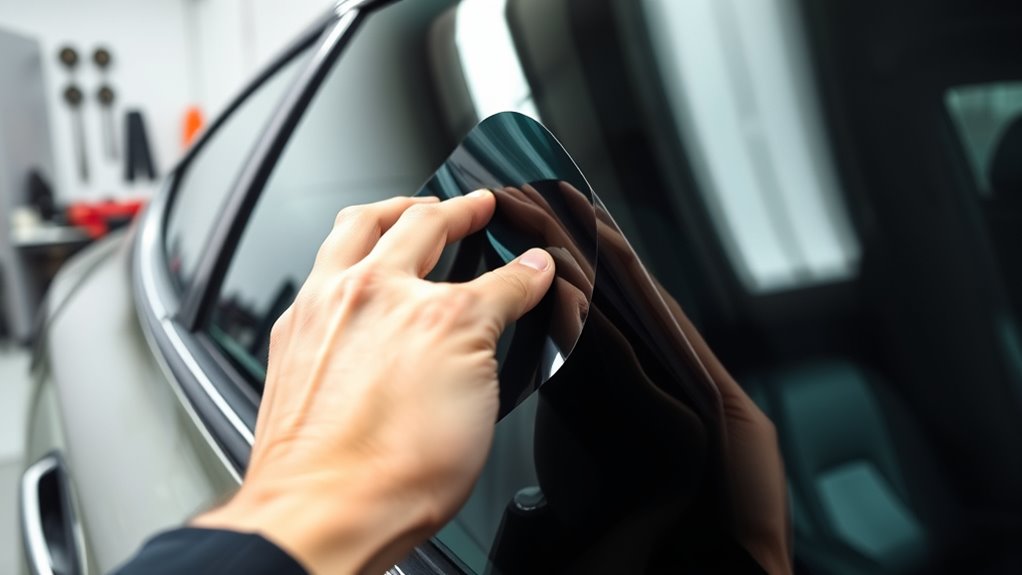
When you bring your car in for window tinting, the installation process typically begins with a thorough cleaning of the windows to remove dirt and grease. This step ensures proper window preparation, allowing the tint to adhere smoothly. Next, the technician measures and cuts the tint film to fit your windows precisely. During the application, the film is carefully placed and smoothed out to eliminate bubbles and wrinkles. Once installed, the tint goes through a curing process, which helps it bond securely to the glass. Expect to avoid rolling down your windows for a few days. Key points to understand include:
- Proper cleaning facilitates adhesion and prevents bubbles
- Precision during cutting ensures a perfect fit
- The curing process strengthens the tint’s longevity
- Patience during curing maximizes durability and appearance
Maintenance and Care for Tinted Windows
Maintaining your tinted windows is essential for preserving their appearance and effectiveness. Proper care guarantees you keep the UV protection intact while preventing damage. When cleaning, use gentle cleaning techniques—avoid abrasive sponges or harsh chemicals that can scratch or lift the tint. Instead, opt for a soft microfiber cloth and a solution of mild soap and water. Never use ammonia-based cleaners, as they can degrade the tint over time. Regular cleaning removes dirt and grime, which can dull the tint and reduce UV protection. Also, avoid rolling down windows immediately after cleaning; give the tint time to set. By following these simple maintenance tips, you’ll extend the lifespan of your tinted windows and keep your vehicle looking sharp.
Common Myths and Misconceptions
Many common beliefs about window tinting are actually misconceptions that can lead to confusion or poor decisions. For example, some think darker tint always provides better UV protection, but many high-quality films block UV rays regardless of darkness. Others believe tinting diminishes visibility or safety, but proper installation ensures clear views and enhanced security. Aesthetic enhancement is often seen as purely superficial, yet it can increase your vehicle’s style and resale value. Lastly, some assume all tinting is illegal, but laws vary by region, and legal options exist for privacy and UV protection.
- Darker tint ≠ better UV protection
- Tinting always reduces visibility
- Aesthetics don’t impact vehicle value
- All tinting is illegal in every area
Cost Overview and Budgeting Tips
Understanding the costs involved in window tinting helps you make informed decisions and stay within your budget. To effectively budget, compare prices from different providers and consider the quality of materials used. Budget planning involves setting a clear spending limit and prioritizing your needs, such as UV protection or privacy. Conduct a cost comparison to find the best value for your money, balancing price and service quality.
| Budget Planning Step | Key Consideration | Tips |
|---|---|---|
| Set a Budget | Total amount you’re willing to spend | Stick to your limit to avoid overspending |
| Research Costs | Prices from multiple providers | Use online quotes for comparison |
| Evaluate Quality | Material and warranty | Higher quality may cost more upfront |
This approach ensures you get quality tinting at a fair price.
Tips for Finding a Reputable Tinting Service
Finding a reputable tinting service starts with doing thorough research. Begin by reading customer reviews to gauge quality and customer satisfaction. Comparing pricing options helps guarantee you get fair value without sacrificing quality. Look for consistency in reviews about workmanship and professionalism. Don’t hesitate to request quotes from multiple providers; conduct pricing comparisons to identify transparent and competitive rates. When vetting a service, consider these factors:
Research customer reviews and compare quotes to find reliable, professional tinting services.
- Customer reviews that highlight reliability and results
- Transparent pricing and detailed quotes
- Proper licensing and certifications
- Experience with your specific vehicle type
Choosing a trustworthy tinting service means prioritizing quality and reputation over the lowest price. Doing this groundwork ensures you’ll receive professional service and high-quality window tinting that lasts.
Frequently Asked Questions
How Long Does Window Tinting Typically Last Before Needing Replacement?
Your window tinting typically lasts 5 to 10 years before needing replacement. Proper care guarantees it maintains UV protection and heat reduction benefits longer. Avoid harsh cleaners and sharp objects that can damage the film. Regularly cleaning your tinted windows helps preserve the tint’s integrity, so you continue enjoying the UV protection and heat reduction it provides. When signs of peeling or bubbling appear, it’s time to contemplate a replacement.
Can Window Tinting Affect My Vehicle’s Resale Value?
Think of window tinting as a double-edged sword; it can boost your vehicle’s allure or cast a shadow on its resale value. If professionally done and compliant with laws, it enhances market perception, making your car look sleek and protected. However, overly dark or poorly installed tint might deter buyers, lowering resale value. So, choose wisely to keep your car’s appeal shining without dimming its future worth.
Are There Any Health Risks Associated With Tinted Windows?
Tinted windows are generally safe, but they can pose some health risks if not chosen carefully. You might experience reduced UV exposure, which protects your skin, or, conversely, increased indoor air quality concerns if the tinting materials release fumes during installation. To minimize risks, make certain professional installation using high-quality films, and consider window tints with UV protection, helping you enjoy benefits without compromising your health.
How Does Climate Influence the Choice of Tinting?
Climate plays a big role in choosing your window tint. If you live somewhere hot, opt for a tint that offers strong UV protection and heat reduction to keep your car cooler and protect your skin. In colder areas, you might prioritize glare reduction. By matching your tint to your climate, you enhance comfort and safety, making your driving experience better year-round.
What Are the Signs That My Window Tint Needs Professional Adjustment or Removal?
If your window tint shows fading, discoloration, bubbling, or peeling, it’s time to see a professional. These signs indicate the tint has deteriorated and may no longer provide ideal protection or appearance. Don’t ignore these issues, as they can worsen over time, affecting your vehicle’s look and safety. A professional can adjust or remove the tint properly, ensuring your windows stay clear, protected, and compliant with local laws.
Conclusion
Wondering if window tinting really keeps your car cooler? The truth is, it does—by blocking heat and UV rays, it can make a noticeable difference. Plus, with the right tint, you’ll enjoy privacy and protection without breaking the bank. Just remember to choose legal, quality films and trusted installers. So, go ahead—tint your windows and experience these benefits firsthand, all while debunking myths that it’s only for looks.