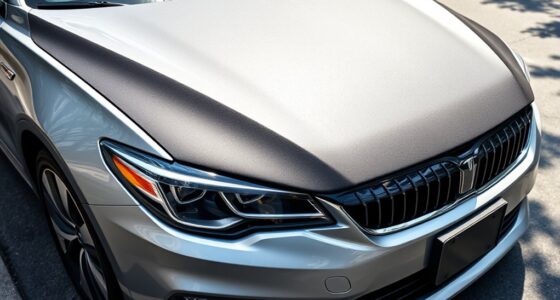
Using the wrong car cover, handling it roughly, or choosing low-quality materials can actually damage your vehicle. Cheap or unsuitable covers may trap moisture, cause scratches, or wear down paint if not fitted properly. Improper use or materials that aren’t gentle on your car’s surface increase the risk of scratches, dents, or mold. To protect your vehicle effectively, you need the right fit, proper handling, and high-quality fabrics—stick around to learn more about avoiding these common mistakes.
Listen free for 30 days with Audible
Thousands of audiobooks and originals — cancel anytime.
As an affiliate, we earn on qualifying purchases.
Key Takeaways
- Inappropriate material choice can scratch or abrade the vehicle surface, especially if dirt or debris are trapped underneath.
- Poorly fitted covers may cause friction, leading to scratches or paint damage during installation or removal.
- Low-quality or non-breathable fabrics trap moisture, promoting rust, mold, and paint deterioration instead of protecting.
- Rough, abrasive inner linings can damage paint if not soft or properly maintained.
- Improper handling or maintenance of durable covers can lead to tears and surface scratches.

While car covers are often used to protect vehicles from the elements, they can sometimes cause more harm than good if not chosen or applied correctly. One major reason is that not all covers offer adequate weather resistance. If you opt for a cover that isn’t designed to withstand your local climate—say, a lightweight fabric in a rainy area—you risk trapping moisture against your car’s surface. Over time, this moisture can lead to rust, paint deterioration, or mold growth. A good, weather-resistant cover acts as a shield, repelling water and preventing water from seeping in, but only if it’s properly fitted and maintained.
Material durability plays a vital role in whether a car cover will protect or damage your vehicle. Cheaper covers made from flimsy or low-quality materials tend to tear easily, exposing your car to scratches or abrasions. Conversely, a durable cover made from high-quality, tear-resistant fabric can withstand wind, debris, and repeated use without compromising its integrity. However, even the most durable material can cause damage if it’s not suitable for your car’s surface or if it’s improperly handled. For example, rough or abrasive fabrics can scratch your paint, especially if dirt and debris get trapped underneath. That’s why selecting a cover with a soft, non-abrasive inner lining is essential for maintaining your vehicle’s finish. Proper handling practices can make all the difference in preventing accidental damage. Additionally, choosing a cover with appropriate material compatibility ensures it won’t cause unintended scratches or wear on your vehicle’s paint or surface.
As an affiliate, we earn on qualifying purchases.
Frequently Asked Questions
Can Using a Car Cover Void My Vehicle’s Warranty?
Using a car cover can potentially void your vehicle’s warranty if the cover’s material causes damage or if you don’t follow manufacturer guidelines. Warranty implications depend on the cover material; some materials may scratch or trap moisture, leading to damage. Always check your vehicle’s warranty and choose a cover that’s compatible, ensuring proper fit and material quality to avoid voiding coverage and protect your car effectively.
Are Custom-Fit Covers Safer Than Universal Ones?
Custom-fit covers are safer than universal ones because they offer superior fit accuracy, reducing movement that can cause scratches or tears. While some worry about material compatibility, selecting a cover made from compatible, breathable materials minimizes risks. A precise fit guarantees your vehicle is protected effectively, avoiding unnecessary friction or trapping moisture. So, investing in a custom-fit cover provides better protection, peace of mind, and helps preserve your car’s paint and finish.
Do Car Covers Protect Against All Weather Types?
Car covers don’t protect against all weather types. While they shield your vehicle from UV damage and reduce moisture buildup, they can’t prevent every element like heavy snow, hail, or extreme winds. In harsh conditions, covers might trap moisture or cause scratches if not fitted properly. So, for severe weather, consider additional protection or parking your car in a garage to keep it safest.
How Often Should I Clean or Replace My Car Cover?
You should clean your car cover every few months to prevent mold and dirt buildup, which can cause damage over time. Replace it when you notice tears or signs of wear, especially if UV protection diminishes. Regular cleaning helps maintain UV protection, shielding your car from sun damage, while replacing worn covers guarantees mold prevention and continued protection from environmental elements. Stay proactive to keep your vehicle in top shape.
Can Poor-Quality Covers Cause Paint Discoloration?
Did you know that 60% of car paint damage is caused by improper covers? Poor-quality covers can definitely cause paint discoloration, as they often trap moisture and abrasive particles against your vehicle’s surface. Low-quality materials lack proper breathability and durability, leading to scratches and faded paint over time. Investing in a high-quality cover helps prevent paint damage by offering better protection and reducing the risk of moisture buildup.
As an affiliate, we earn on qualifying purchases.
Conclusion
You slip on a cover, expecting protection, but instead, it becomes a silent thief, whispering scratches and dents into your car’s surface. Like a shadow, it clings too tightly or shifts in the wind, leaving behind invisible scars. To keep your car shining, choose wisely, ensuring your cover is gentle as a breeze and snug as a hug. Only then will it guard your vehicle, not harm it, in the quiet dance of protection.
As an affiliate, we earn on qualifying purchases.
high-quality breathable car cover
As an affiliate, we earn on qualifying purchases.
As an affiliate, we earn on qualifying purchases.
Fall yard work Picks
leaf blowers
As an affiliate, we earn on qualifying purchases.