
TL;DR
Voltpost has announced a new electric vehicle charger designed specifically for people living in apartments or homes without private driveways. This development aims to improve EV accessibility for urban residents, addressing a key barrier to EV adoption.
Voltpost has unveiled a new electric vehicle (EV) charging station specifically designed for residents living in apartments or homes without access to private driveways. This initiative aims to address the lack of accessible charging infrastructure for urban dwellers, a significant barrier to EV adoption. The company’s new charger will be installed in public spaces, providing a convenient and reliable option for residents who cannot install chargers at home.
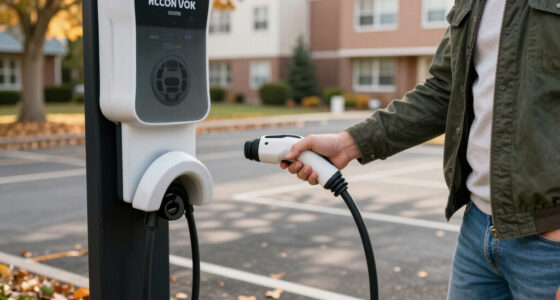
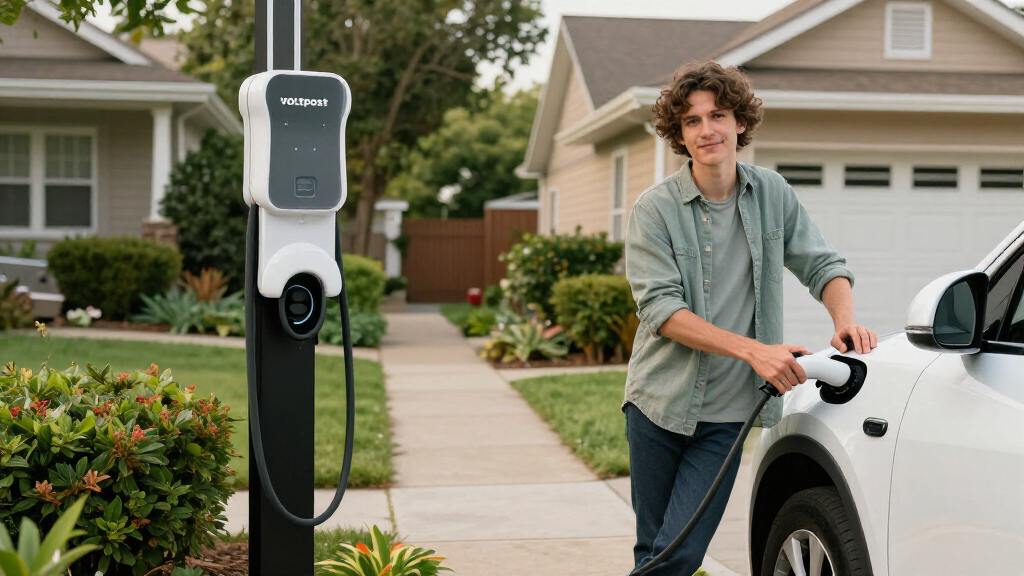
Voltpost’s new charging station is a public, street-level unit that can be integrated into existing infrastructure such as utility poles or street furniture. The company states that the chargers will be compatible with most EV models and will feature fast-charging capabilities, allowing users to recharge their vehicles in a shorter time frame. The project is currently in pilot testing in select urban locations, with plans to expand based on demand and feedback.
According to Voltpost’s spokesperson, the chargers are designed to be easy to access and use, with a user-friendly app that allows residents to locate, reserve, and pay for charging sessions remotely. This approach aims to make EV charging more equitable by removing the need for dedicated private parking or home charging setups. The company emphasizes that their solution is part of a broader effort to support the transition to electric mobility in densely populated areas.
While the exact deployment timeline remains under wraps, Voltpost has indicated that initial installations could begin within the next few months, pending regulatory approvals and site agreements. The company also plans to collaborate with local governments and utility providers to facilitate widespread adoption and ensure the chargers are integrated into existing urban infrastructure.
Expanding EV Access for Urban Residents
This development matters because it addresses a critical gap in the EV charging network—namely, the lack of accessible charging options for residents without private parking. As EV adoption accelerates, especially in cities where most residents live in apartments or multi-family buildings, the absence of convenient charging infrastructure remains a barrier. Voltpost’s initiative could significantly increase EV adoption among urban populations by making charging more equitable and accessible.
Moreover, this approach aligns with broader efforts to reduce urban air pollution and greenhouse gas emissions, as more city residents switch to electric vehicles. If successful, Voltpost’s model could influence city planning and infrastructure investments, encouraging municipalities to incorporate street-level chargers into their public spaces.
As an affiliate, we earn on qualifying purchases.
Urban Charging Challenges and Voltpost’s Response
Currently, most EV charging stations are located in private garages or dedicated parking lots, which limits access for residents in densely populated areas. According to the International Energy Agency, less than 10% of EV chargers are located in public or on-street locations, making it difficult for urban residents without private parking to charge their vehicles conveniently. This has slowed EV adoption in city environments.
Voltpost, founded in 2020, has focused on integrating charging infrastructure into existing urban infrastructure like utility poles. Their previous projects include small-scale pilot programs in select neighborhoods, which demonstrated the feasibility of street-side chargers. The new initiative builds on this experience, aiming to scale up and address the specific needs of residents who cannot install home chargers due to space, leasing restrictions, or other barriers.
This move comes amid increasing government and industry focus on expanding the EV charging network, with many cities setting targets to phase out internal combustion engine vehicles in the next decade. However, infrastructure gaps remain, particularly in high-density urban areas, making Voltpost’s approach timely and potentially impactful.
As an affiliate, we earn on qualifying purchases.
Details Still Evolving on Deployment and Adoption
While Voltpost has announced plans for initial installations, specific locations, timelines, and the scale of deployment remain unclear. It is also not yet confirmed how many units will be installed or how they will be funded and maintained long-term. Regulatory approval processes and city partnerships are still in development, and the actual user experience in diverse urban environments is yet to be tested.
Additionally, it is uncertain whether this model will be adopted by other companies or scaled up nationally, or how it will integrate with existing charging networks and utilities. The effectiveness and user acceptance of street-level chargers for EVs in different city contexts remain to be seen.
fast charging station for urban EVs
As an affiliate, we earn on qualifying purchases.
As an affiliate, we earn on qualifying purchases.
Next Steps in Pilot Testing and Expansion Plans
Voltpost plans to begin pilot installations in select cities within the next few months, with ongoing collaboration with local governments and utility providers. The company will collect user feedback and monitor performance to refine the design and deployment strategy. If successful, broader rollout could follow within the next year, potentially transforming urban EV charging access.
Further announcements are expected as Voltpost secures regulatory approvals, finalizes site agreements, and demonstrates the viability of their public chargers. Industry observers will be watching closely to see if this model influences urban infrastructure policies and accelerates EV adoption in city environments.
As an affiliate, we earn on qualifying purchases.
Key Questions
How will Voltpost’s street chargers work for residents without private parking?
Voltpost’s chargers will be installed in public spaces like utility poles or street furniture, accessible via a mobile app for locating, reserving, and paying for charging sessions, making EV charging feasible for residents without private driveways.
When will the first Voltpost chargers be available to the public?
Initial pilot installations are planned to begin within the next few months, with broader deployment depending on regulatory approvals and site agreements.
Will these chargers support fast charging?
Yes, Voltpost states that their chargers will feature fast-charging capabilities compatible with most EV models, allowing quicker recharges in urban settings.
How does this initiative fit into broader EV infrastructure efforts?
This project aims to fill a key gap in urban EV charging networks by providing accessible, street-level chargers, supporting city efforts to increase EV adoption and reduce pollution.
Are there any plans for nationwide expansion?
While specific plans for nationwide rollout have not been announced, Voltpost intends to expand based on pilot success and demand in various cities.
Source: rss