TL;DR
Car care kits for students are compact, budget-friendly, and easy to use. They include essentials like cleaning supplies, basic tools, and emergency gear, helping young drivers stay safe and save money.
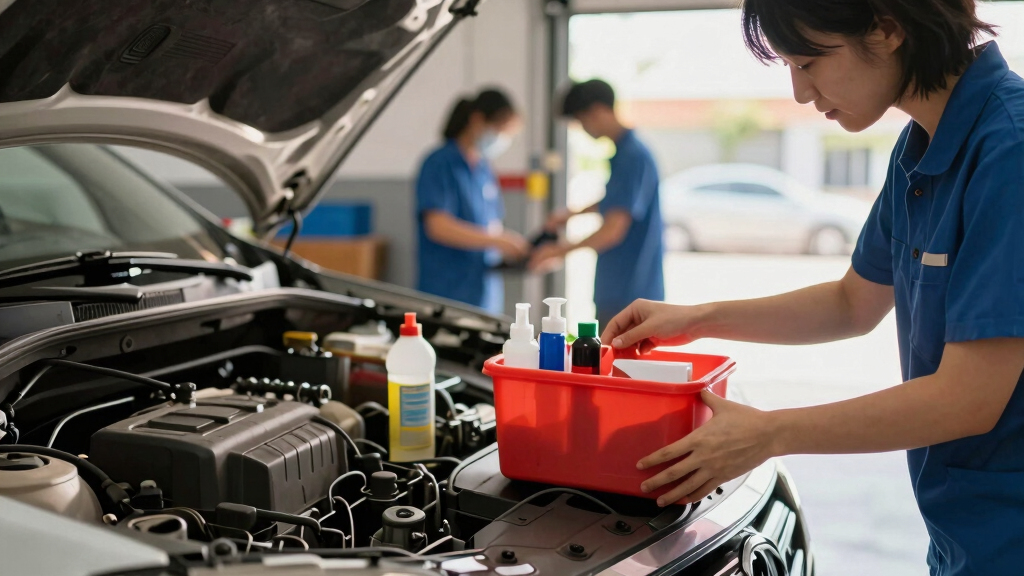
Imagine cruising through campus with a squeaky tire or a streaky windshield. Suddenly, your car acts up, and you’re miles from a mechanic. That’s where a well-chosen car care kit becomes your best friend. It’s not about turning you into a mechanic overnight, but about giving you the tools to handle common issues confidently. Whether it’s a quick clean or a minor roadside fix, having a kit tailored for students can save time, money, and stress.
In this guide, you’ll discover what makes a great car care kit for students, recent innovations making kits smarter and greener, and practical tips to pick the right one for your needs. Get ready to become your own roadside hero.
Choose a compact, lightweight kit with essential tools like a tire gauge, microfiber cloths, and jumper cables.
Look for kits that include eco-friendly and multi-functional tools for added value and sustainability.
Set a clear budget and assess your driving habits to pick the best fit—cheaper isn’t always worse, but quality matters.
Stay informed about new tech, like Bluetooth tire gauges or diagnostic scanners, that can boost your car maintenance game.
Remember, basic maintenance skills can save you hundreds and make you more confident behind the wheel.
What Should Be In a Student’s Car Care Kit? Think Essentials, Not Clutter
The first step is knowing what must-have tools turn a panic situation into a manageable fix. A good kit isn’t about filling space but about packing key items that cover basic needs. For example, a microfiber cloth feels gentle but cleans windows like a charm. A tire pressure gauge, about the size of your thumb, helps avoid blowouts caused by underinflated tires. Jumper cables, the length of a shoelace but thick enough to transfer power, can revive a dead battery. Plus, a flashlight with fresh batteries ensures you see in the dark, whether fixing a flat or searching for keys in the trunk.
Why do these items matter? Because they address the most common roadside issues that students might face—flat tires, dead batteries, dirty windshields—without requiring extensive mechanical knowledge. The tradeoff is balancing the kit’s size with its comprehensiveness; packing too many tools might make the kit bulky, but leaving out essentials can leave you unprepared. The goal is to have a well-rounded set that’s easy to carry and ready for typical emergencies, empowering you to act quickly and avoid costly repairs or delays.
Imagine you’re late for class, and your car won’t start. With jumper cables and a small flashlight, you turn a stressful moment into a quick fix. Essential tools include cleaning supplies, basic repair items, and emergency gear—all compact enough to toss into your glove compartment or backpack.
As an affiliate, we earn on qualifying purchases.
How to Pick the Perfect Car Care Kit for Your Budget and Lifestyle
- Assess your needs: Do you drive daily or only occasionally? For daily commuters, a more comprehensive kit can prevent minor issues from becoming major problems, while occasional drivers might prioritize portability and simplicity. Understanding your driving habits helps you determine what tools are essential versus optional, ensuring you’re prepared without unnecessary clutter.
- Set a budget: Entry-level kits start at around $20, offering the basics for new drivers. Investing a bit more—up to $100—can include advanced features like eco-friendly products or multi-functional tools. While a higher price often means better durability and features, it’s important to weigh whether those extras align with your actual needs and driving frequency. A well-chosen budget kit can be both affordable and effective, avoiding the trap of overspending on unnecessary gadgets.
- Check the contents: Look for durability, ease of use, and relevance. For instance, microfiber cloths are gentle but effective, a tire gauge provides accurate pressure readings, jumper cables must be sturdy enough for repeated use, and a small toolkit can handle minor repairs. Prioritize quality over quantity—cheap tools might break or be ineffective when you need them most, which defeats the purpose of having a kit.
- Consider size and portability: Compact kits that fit neatly in your glove box or backpack are ideal for students who value space and convenience. Larger, heavier kits might offer more tools but can be cumbersome to carry around, especially if you’re often on the move. The tradeoff is between having a comprehensive set and maintaining ease of transport—choose what aligns best with your lifestyle.
- Read reviews and brands: Trusted brands often guarantee better durability, clearer instructions, and compatibility with your vehicle. Reading reviews can reveal real-world performance and potential issues, helping you avoid poorly made products that might fail when needed most. Remember, investing in quality can save money and frustration in the long run, especially for beginners who rely on straightforward, dependable tools.
For example, a student living on campus with a tiny car might prefer a lightweight, all-in-one kit under $30, including eco-friendly cleaning sprays and a Bluetooth tire pressure monitor. A commuter with a larger vehicle may opt for a more comprehensive package with extra tools and a detailed tutorial, ensuring they’re prepared for various scenarios without overloading their vehicle.
As an affiliate, we earn on qualifying purchases.
Latest Innovations Making Car Care Kits Smarter and Green
Car care kits for students aren’t just about basics anymore. Newer kits include multi-functional tools that combine cleaning, emergency repair, and diagnostics, making maintenance more efficient and less time-consuming. For instance, digital tire gauges that sync with your smartphone provide real-time pressure updates, helping you maintain optimal tire health and improve fuel efficiency. Eco-conscious students will appreciate kits with biodegradable cleaners and reusable microfiber cloths—these not only reduce waste but also promote sustainable habits.
Imagine a kit with a Bluetooth-enabled diagnostic scanner that can read engine trouble codes directly on your phone. This technology allows you to identify issues early, potentially avoiding costly repairs and unnecessary trips to the mechanic. These innovations pack advanced features into compact, budget-friendly packages, making routine maintenance approachable and even engaging for students eager to learn more about their vehicle’s health. The tradeoff is balancing technological complexity with ease of use—opt for user-friendly options that complement your comfort level and technical skills.
As an affiliate, we earn on qualifying purchases.
Are Eco-Friendly Car Care Products Just As Good? Yes, and Here’s Why
Eco-friendly car care products now stand toe-to-toe with traditional cleaners in terms of effectiveness. Think biodegradable sprays and plant-based waxes—these options clean just as thoroughly without the harsh chemicals that can harm your vehicle’s paint or the environment. For instance, a student can wash their car with a natural soap that leaves a shiny, protective finish, all while avoiding toxic fumes that can be harmful to breathe or pollute nearby water sources.
Why does this matter? Because eco-friendly products reduce chemical exposure, making routine maintenance safer for you and the environment. Reusable microfiber cloths further minimize waste, cutting down on disposable paper towels or wipes. The tradeoff is often minimal—most natural cleaners are formulated to be as effective as their chemical counterparts—so choosing eco-friendly doesn’t mean sacrificing quality. Instead, it promotes sustainable habits that align with modern values and responsibilities, fostering a mindset of care for both your vehicle and the planet.
As an affiliate, we earn on qualifying purchases.
What Are the Top 5 Benefits of Using a Car Care Kit as a Student?
| Benefit | Description |
|---|---|
| Cost Savings | Prevent costly repairs by catching issues early, which can save hundreds of dollars annually. Regular maintenance helps avoid major breakdowns and prolongs your vehicle’s lifespan, making your investment go further. |
| Convenience | Always having essentials on hand means you can address minor problems immediately, avoiding delays or expensive service appointments. This independence is especially valuable for students managing busy schedules. |
| Independence | Learning basic maintenance skills boosts your confidence behind the wheel and reduces reliance on mechanics for small issues. This self-sufficiency fosters a sense of control and responsibility over your vehicle’s health. |
| Safety | Maintaining proper tire pressure, clean lights, and checking fluid levels ensure your vehicle operates safely. These simple actions can prevent accidents and breakdowns, protecting you and others on the road. |
| Environmental Impact | Using eco-friendly products reduces chemical waste and emissions, contributing to a healthier environment. Small choices in maintenance can add up to a significant positive impact over time. |
Common Questions About Car Care Kits Answered
- What should be included in a basic car care kit for students? Essentials like microfiber cloths, tire gauge, jumper cables, flashlight, and basic tools are must-haves. These cover the most common roadside issues and routine maintenance tasks, ensuring you’re prepared for typical scenarios.
- Are car care kits suitable for beginners? Yes, most kits are designed with simple instructions and beginner-friendly tools, making them accessible for new drivers. They provide a safe way to learn basic vehicle upkeep without overwhelming complexity.
- How much should I spend on a good kit? Entry-level kits start around $20–$50, offering essential tools for a reasonable price. More comprehensive options, including advanced diagnostics or eco-friendly products, can cost up to $100 or more, but weigh the added benefits against your needs and budget.
- Can I perform basic maintenance with a kit? Absolutely. Tasks like cleaning, checking tire pressure, replacing windshield wipers, or topping off fluids are straightforward with the right tools, empowering you to keep your vehicle in good shape between professional services.
- Are eco-friendly products effective? Yes, many natural cleaners are formulated to match the cleaning power of traditional chemicals. They often contain plant-based ingredients that safely clean and protect your vehicle without harmful fumes or residues, making them a smart choice for environmentally conscious students.
Conclusion
Having a reliable car care kit in your trunk or backpack turns potential breakdowns into minor inconveniences. It’s not about turning into a mechanic, but about being prepared for everyday hiccups. A small investment in the right tools can boost your independence and keep your vehicle running smoothly.
So, pick a kit that suits your lifestyle, learn a few basics, and stay ahead of minor issues. Your future self will thank you every time the road throws a little challenge your way.