TL;DR

Get business pricing on garage and car supplies
- Business-only prices and quantity discounts
- Tax-exempt purchasing
- Multiple users, one account, clear invoices
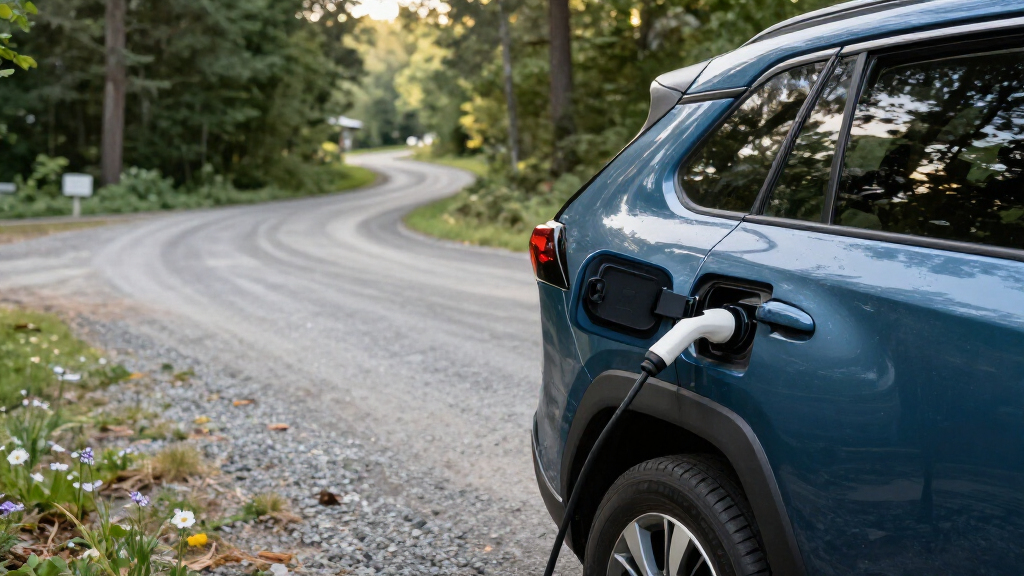
Toyota’s 2027 RAV4 Plug-in Hybrid adds a factory-installed NACS charging port and DC fast charging across the full trim lineup. The SE and GR Sport also gain 11-kW AC charging, while the port moves from the passenger side to the driver side.
Toyota is adding a factory-installed NACS charging port and DC fast charging across every trim of the 2027 RAV4 Plug-in Hybrid, according to InsideEVs. The change gives buyers of the entry-level SE and other versions access to charging hardware that had previously been limited to higher trims, and lets the PHEV connect directly to compatible NACS-equipped stations.
The 2027 RAV4 PHEV can charge at up to 50 kilowatts on DC power, with a reported charging time of about 30 minutes from 10% to 80%. That capability is now included across the lineup, from the SE through the top-trim GR Sport. InsideEVs lists the SE at $42,100; the report does not provide a full 2027 price list.
The charging inlet moves from the passenger side to the driver’s side, near the door. For home or other AC charging, the vehicle retains Level 1 and Level 2 capability. The SE and GR Sport are rated for 11-kW AC charging, up from 7 kW in the previous model year, while the XSE and Woodland already had an 11-kW rating, according to the report.
The RAV4 PHEV has a 22.7-kilowatt-hour battery and an EPA-rated electric range of up to 52 miles, as stated in the source report. Drivers can use battery power for shorter trips and the gasoline engine for longer journeys. The cited charging figures are maximum or estimated rates; actual charging times can vary with conditions and equipment.
Fast Charging Reaches Every Trim
The change removes a trim-based barrier to DC fast charging. In the model year described by InsideEVs, only the XSE and Woodland offered the feature, requiring buyers to pay at least a $4,000 premium over the entry model, according to the report. Extending it to the SE means shoppers no longer have to move up the range solely to get fast charging.
A native NACS port also broadens where owners can plug in without relying on a separate connector adapter. That matters for a plug-in hybrid because public fast charging can add flexibility when drivers are away from home, though the vehicle’s 50-kW maximum is below the rates available to many battery-electric vehicles. The upgrade does not change the RAV4’s plug-in-hybrid design: it still has a gasoline engine for trips beyond its electric range.
The move of the inlet may affect everyday parking and cable reach. Many newer charging stations have longer cables, the source reports, but some older Tesla V3 Supercharger layouts were designed around a rear-left charging port. Owners may need to check whether a particular stall’s cable can reach the new driver-side inlet.
Products Worth Considering

Autel Home EV Charger up to 50A J1772 Hardwired Level 2 Charger with 25 ft Cable

Autel MaxiCharger AC Home 50A Level 2 EV Charger, Hardwired, J1772, Wi-Fi and Bluetooth, 25 ft Cable

Autel MaxiCharger Level 2 EV Charger, 40A, 240V, 25-Foot Cable, NEMA 14-50 Plug
As an affiliate, we earn on qualifying purchases.
From CCS to a Factory NACS Port
The sixth-generation RAV4 Plug-in Hybrid launched with a CCS charging port, according to InsideEVs. At that point, the report said, fast charging was available only on the XSE and Woodland trims. The 2027 update changes both the connector and the availability of the feature, rather than introducing a new RAV4 powertrain.
Fast charging is not common across plug-in hybrids. The source compares the RAV4 with the Mercedes GLC 350e, which uses CCS, and the Mitsubishi Outlander PHEV, which uses CHAdeMO. InsideEVs describes the RAV4 as the first and only major U.S. plug-in hybrid with a native NACS port. That superlative is the report’s characterization; the material provided does not include an independent survey of every PHEV on sale.
For home charging, the inlet’s new location is a practical change, not a change in the basic charging system. Owners can continue to use Level 1 or Level 2 AC charging, with the cited 11-kW rating applying to all four trims for 2027 after the SE and GR Sport increase.
“It will charge at maximum rate of 50 kilowatts, enough to go from 10-80% in just 30 minutes.”
— InsideEVs report
Pricing and Station Compatibility
The source material does not specify when 2027 models will reach dealers, whether the $42,100 SE price includes destination charges, or how prices compare across all trims. It also does not provide a full list of equipment differences between the 2026 and 2027 versions beyond charging-related changes.
The reported 30-minute estimate is tied to a 10%-to-80% charge and the vehicle’s stated maximum rate. The material does not detail test conditions, charging-curve behavior, or how often the RAV4 will reach 50 kW in practice. Compatibility at individual stations may depend on cable length and site layout, particularly at older V3 Superchargers. The source also does not identify a separate adapter policy or provide Toyota’s own detailed compatibility guidance.
Watch for Toyota’s Full Specifications
Buyers should look for Toyota’s official 2027 model-year specifications, complete pricing, and delivery timing to confirm the details reported by InsideEVs. Those materials should clarify whether the listed SE price includes destination charges and provide charging information for each trim.
As vehicles and charging sites become available, owners will be able to check real-world DC charging performance and cable reach at stations they use. Drivers planning to rely on public charging should confirm that a station supports the vehicle’s connector and that its cable can reach the driver-side inlet before making it part of a regular route.
Key Questions
What is the main upgrade to the 2027 Toyota RAV4 PHEV?
The reported update adds a native NACS port and DC fast charging to every trim. The charging inlet also moves to the driver’s side.How fast can the 2027 RAV4 PHEV charge?
InsideEVs reports a maximum DC charging rate of 50 kW and an estimated 30 minutes from 10% to 80%. Actual times can vary.Which trims get 11-kW AC charging?
The SE and GR Sport are reported to gain 11-kW AC charging for 2027. The XSE and Woodland already had that rating.What is the reported electric range?
The source reports an EPA-rated range of up to 52 miles from the RAV4 PHEV’s 22.7-kWh battery. That figure applies to electric driving before the gasoline engine is needed.Will the new port work at every Tesla Supercharger?
The report says the native NACS port allows use of compatible NACS-equipped stations, but cable reach may vary. Older V3 Supercharger stalls could be less convenient because of their cable layout.Source: insideevs.com