
TL;DR

Get business pricing on garage and car supplies
- Business-only prices and quantity discounts
- Tax-exempt purchasing
- Multiple users, one account, clear invoices
Toyota’s engines are reportedly failing at increasing rates, prompting concern across the industry. Honda has shared its approach to avoiding similar issues, highlighting differences in design and quality control. The situation underscores ongoing challenges in engine reliability.
Recent reports reveal that Toyota’s engines are experiencing a rising number of failures, raising concerns about long-term reliability. In response, Honda has publicly shared its strategies for avoiding similar issues, emphasizing differences in engine design, manufacturing processes, and quality control measures. This development matters because it highlights ongoing challenges in engine durability within the automotive industry and raises questions about Toyota’s current manufacturing practices.
Multiple sources and industry analysts have noted an uptick in engine failures reported in Toyota vehicles over the past several months. These failures include sudden stalling, loss of power, and in some cases, complete engine shutdown, affecting a range of models and years. While Toyota has not issued a broad recall or official statement confirming widespread issues, the reports have prompted concern among consumers and industry experts about the long-term durability of Toyota engines.
In contrast, Honda has shared insights into its manufacturing and design practices that aim to prevent similar engine failures. According to Honda engineers and officials, the company emphasizes rigorous quality control, advanced materials, and stricter testing protocols during engine development. Honda’s approach involves more comprehensive stress testing and real-world durability assessments, which they claim help identify potential failure points before engines reach consumers.
Industry insiders suggest that Toyota’s recent engine problems could be linked to supply chain disruptions, cost-cutting measures, or design issues, though these claims are not officially confirmed. Meanwhile, Honda’s disclosures have been viewed as an effort to reassure consumers and differentiate itself in a competitive market increasingly attentive to vehicle reliability.
Implications for Industry and Consumers
This situation underscores the importance of rigorous quality control and testing in engine manufacturing, especially as automakers face supply chain pressures and cost challenges. For consumers, it raises concerns about vehicle longevity and safety, potentially influencing purchasing decisions. The industry’s response, including Honda’s transparency, may shape future standards for engine reliability and manufacturer accountability.
As an affiliate, we earn on qualifying purchases.
Rising Reports of Engine Failures in Toyota Vehicles
Over recent months, reports of engine failures in Toyota vehicles have increased, with affected models spanning multiple years and engine types. While Toyota has not officially acknowledged a systemic problem, the frequency and severity of these reports have prompted industry discussion. Historically, Toyota has been known for its reliability, but recent incidents suggest that even established leaders face challenges in maintaining engine durability amid evolving manufacturing pressures.
Honda, a longstanding competitor, has faced fewer such issues and has publicly shared its quality assurance practices. The contrast between the two companies’ approaches offers insight into how different manufacturing philosophies impact vehicle reliability in practice.
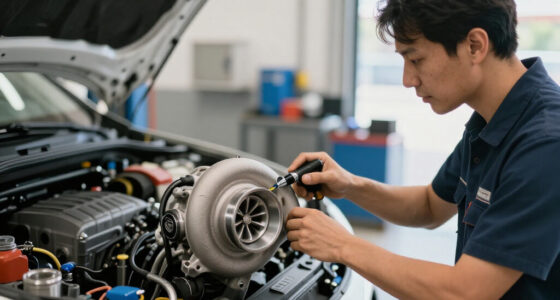
Honda engine durability testing tools
As an affiliate, we earn on qualifying purchases.
As an affiliate, we earn on qualifying purchases.
Unconfirmed Causes of Toyota’s Engine Failures
It is not yet clear what specific factors are contributing to the reported engine failures in Toyota vehicles. While some speculate supply chain issues, design flaws, or cost-cutting measures, no official investigation or statement has confirmed these claims. The true causes remain under review, and the extent of the problem is still being assessed by industry experts and Toyota itself.
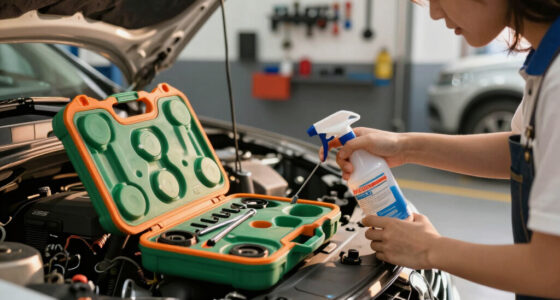
auto engine stress testing equipment
As an affiliate, we earn on qualifying purchases.
As an affiliate, we earn on qualifying purchases.
Monitoring Industry Response and Toyota’s Next Moves
Automakers and consumers will continue to monitor reports of engine reliability, with Toyota likely to face increased scrutiny. Toyota may initiate investigations, recall campaigns, or implement design changes if systemic issues are confirmed. Meanwhile, Honda’s disclosures could influence industry standards and encourage greater transparency about manufacturing practices. Further investigations and official statements are expected in the coming weeks.
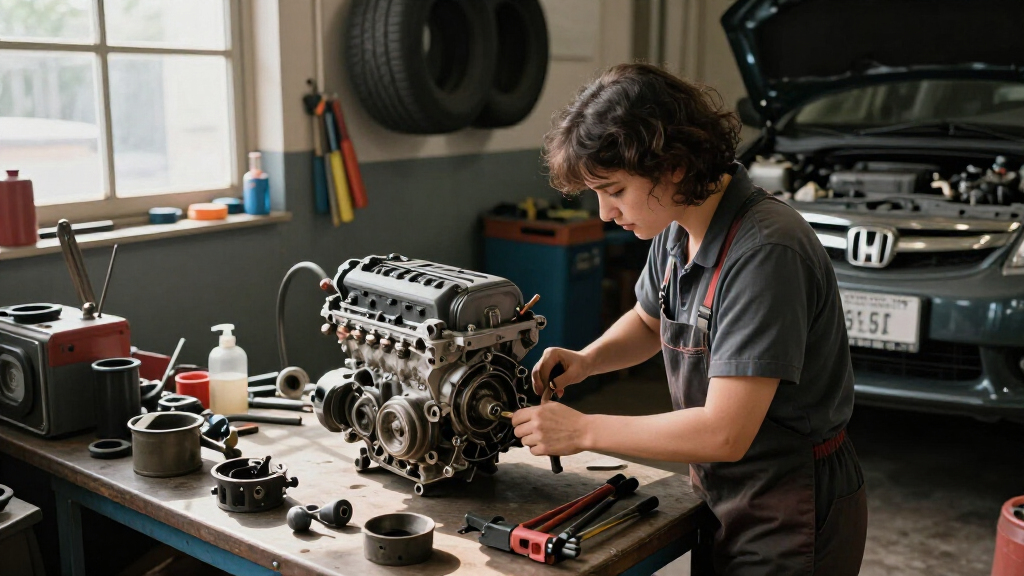
engine quality control inspection tools
As an affiliate, we earn on qualifying purchases.
As an affiliate, we earn on qualifying purchases.
Key Questions
What models are affected by Toyota’s engine failures?
Specific models and years have not yet been officially identified, but reports span a range of recent Toyota vehicles. Ongoing investigations may clarify which models are most affected.
How is Honda avoiding similar engine failures?
Honda emphasizes rigorous quality control, advanced materials, and extensive durability testing during engine development, which it claims helps prevent failures.
Are Toyota vehicle owners advised to take any action?
At this time, there are no official recalls or advisories. Owners are encouraged to stay alert for any manufacturer notices and report unusual engine performance to dealerships.
Could this impact Toyota’s reputation for reliability?
Yes, if the reports of engine failures prove widespread, it could affect Toyota’s reputation. The company’s response and transparency will be critical in managing consumer trust.
Will this lead to changes in engine manufacturing standards?
Potentially. Honda’s approach suggests that increased emphasis on testing and quality control could become more standard across the industry, especially if failures continue to surface.
Source: rss
Fall Picks
fall essentials
As an affiliate, we earn on qualifying purchases.