
TL;DR

Get business pricing on garage and car supplies
- Business-only prices and quantity discounts
- Tax-exempt purchasing
- Multiple users, one account, clear invoices
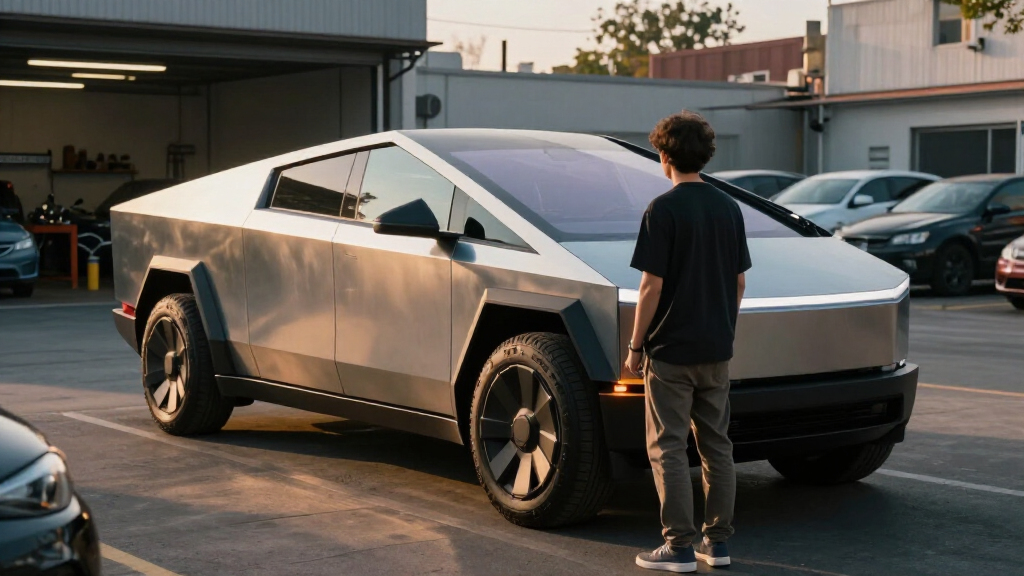
Tesla is set to launch the Cybercab next week, marking a major step into the commercial electric vehicle market. However, critical performance, safety, and production concerns still need to be addressed before widespread adoption.
Tesla is set to officially launch its much-anticipated Cybercab next week, marking a new entry into the electric commercial vehicle segment. While the launch date has been announced, the company has not yet publicly demonstrated the vehicle’s full capabilities or addressed key questions about its safety, production, and market viability. This event is crucial as it could signal Tesla’s expansion into a new market sector, but significant uncertainties remain about whether the Cybercab will meet expectations.
Tesla’s Cybercab, a vehicle designed primarily for commercial and ride-hailing use, is scheduled for launch next week, according to company sources. The vehicle has been under development for several years, with prototypes seen in various stages of testing. The company has emphasized its electric powertrain and autonomous driving features, but detailed specifications and performance data have not yet been publicly released.
Industry analysts note that Tesla’s announcement comes amid increasing interest in electric commercial vehicles, driven by rising regulatory pressures and shifting consumer preferences. However, the company has not disclosed comprehensive testing results or safety certifications for the Cybercab, which are critical for regulatory approval and consumer confidence. The launch event is expected to include a demonstration, but details remain scarce.
Manufacturing plans are also uncertain, with reports suggesting that Tesla is still finalizing supply chain arrangements and production line adjustments. The company has previously faced delays with other vehicle launches, raising questions about whether the Cybercab will meet its scheduled debut without setbacks. Market analysts are watching closely to see if Tesla can deliver on its promises or if logistical hurdles will slow rollout.
What Tesla Needs to Demonstrate for Market Acceptance
The upcoming launch of Tesla’s Cybercab is significant because it could open a new revenue stream for the company and accelerate the adoption of electric commercial vehicles. However, for widespread market acceptance, Tesla must prove that the vehicle meets safety standards, performs reliably under various conditions, and can be produced at scale without delays. The company’s ability to address these factors will influence investor confidence and customer trust, especially given past delays and technical challenges.
As an affiliate, we earn on qualifying purchases.
Background and Industry Expectations for the Cybercab
Tesla announced the Cybercab project as part of its broader push into commercial electric vehicles, aiming to capitalize on the growing demand for eco-friendly transportation options in ride-hailing and logistics. The vehicle has been in development for several years, with prototypes shown at industry events and Tesla’s own presentations. Interest surged recently due to increased coverage and speculation about the launch date, but the company has maintained a relatively low profile on detailed specifications.
Industry experts note that Tesla’s move into the commercial vehicle market aligns with broader trends toward electrification in logistics and transportation sectors. However, historically, Tesla has faced challenges in scaling new vehicle models from prototype to mass production, often encountering delays or technical issues. The upcoming launch is viewed as a critical test of Tesla’s ability to manage complex manufacturing processes for a new vehicle type.
As an affiliate, we earn on qualifying purchases.
Outstanding Questions About Vehicle Performance and Certification
It remains unclear whether the Cybercab will meet all safety and performance standards required for commercial deployment. Tesla has not yet released detailed testing results, crashworthiness data, or autonomous driving validation for the vehicle. Additionally, the timeline for achieving full production capacity is uncertain, with some reports suggesting potential delays. The company’s ability to secure regulatory approval before launch is also still unconfirmed.
As an affiliate, we earn on qualifying purchases.
Next Steps After the Cybercab Launch Event
Following the launch, Tesla is expected to release detailed specifications, safety certifications, and performance data. The company will likely begin pilot programs with select fleet operators to gather real-world data. Investors and industry observers will be watching for signs of production progress, regulatory approval, and customer feedback. Any delays or technical issues could impact the vehicle’s market entry timeline.
As an affiliate, we earn on qualifying purchases.
Key Questions
What makes the Tesla Cybercab different from existing electric vehicles?
The Cybercab is designed specifically for commercial use, focusing on ride-hailing and logistics. It features Tesla’s autonomous driving technology and a design optimized for passenger and cargo capacity, setting it apart from consumer electric vehicles.
Has Tesla disclosed detailed specifications for the Cybercab?
No, Tesla has not yet released comprehensive specifications or performance data. Most information remains at a high level, with detailed technical details expected after the launch event.
When will the Cybercab be available for purchase?
It is not yet clear when Tesla will begin mass production or deliveries. The upcoming launch is a key milestone, but production timelines remain uncertain.
What are the main risks for Tesla with this vehicle launch?
Risks include technical delays, failure to meet safety or regulatory standards, supply chain issues, and market acceptance challenges. Past Tesla vehicle launches have experienced delays, which could recur here.
How might the Cybercab impact Tesla’s overall business?
If successful, the Cybercab could diversify Tesla’s revenue streams and strengthen its position in the commercial EV market. Failure to deliver on expectations could impact investor confidence and stock performance.
Source: rss
Fall Picks
fall essentials
As an affiliate, we earn on qualifying purchases.