To clean door seals and weatherstripping without causing damage, use a soft cloth or sponge dipped in a mild soap solution and gently wipe the surfaces. For hard-to-reach crevices, a soft-bristled toothbrush works well. Avoid harsh chemicals and abrasive scrubbers, which can tear or degrade the material. Regular cleaning helps maintain their flexibility and sealing ability, preventing leaks. Keep these tips in mind to make sure your seals stay effective long-term. Want to learn more?

Get business pricing on garage and car supplies
- Business-only prices and quantity discounts
- Tax-exempt purchasing
- Multiple users, one account, clear invoices
Key Takeaways
- Use a soft cloth or sponge dipped in mild soap and warm water for gentle cleaning.
- Target crevices with a soft-bristled toothbrush to remove dirt without damaging the material.
- Avoid harsh chemicals or abrasive scrubbers that can degrade or tear the weatherstripping.
- Inspect seals regularly and address any signs of wear or damage promptly.
- Ensure thorough drying after cleaning to maintain flexibility and prevent deterioration.
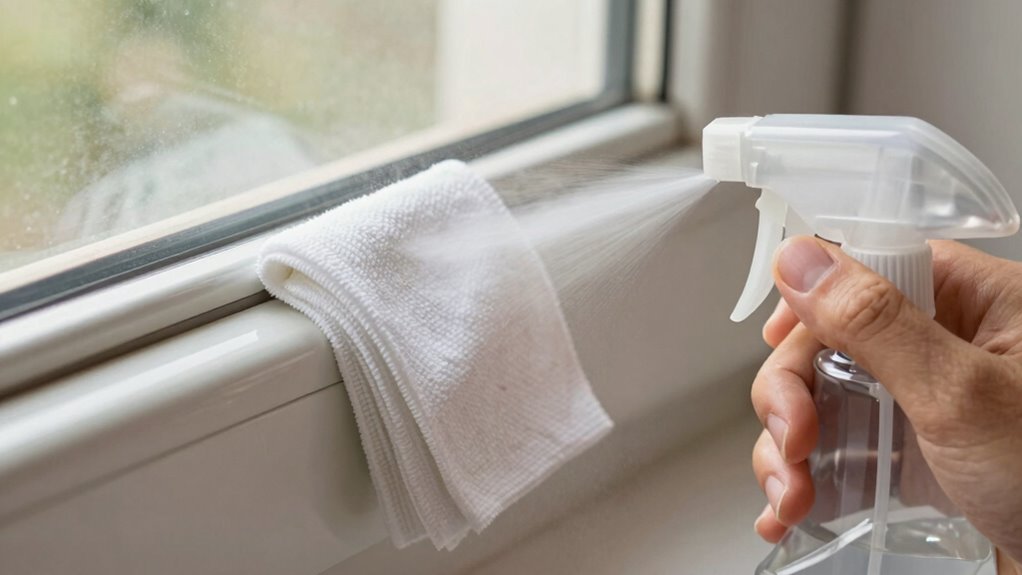
Keeping your door seals and weatherstripping clean is essential for maintaining energy efficiency and preventing drafts. Over time, dirt, dust, and debris accumulate, which can compromise their ability to create a proper seal. To preserve the integrity of your seals, you need to focus on seal preservation by regularly cleaning them with gentle techniques that won’t cause damage. Proper dirt removal techniques involve using the right tools and cleaning solutions to avoid stripping away the material or degrading its effectiveness.
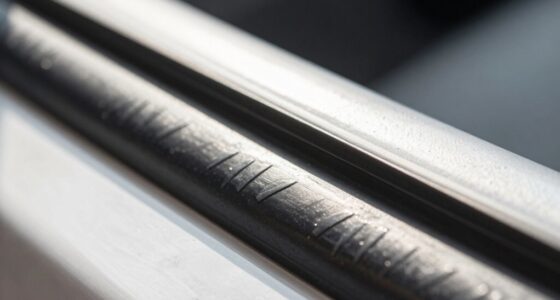
Start by inspecting your weatherstripping and door seals for visible dirt, grime, or signs of wear. When cleaning, avoid harsh chemicals or abrasive scrubbers that can erode the material. Instead, opt for a mild soap or detergent mixed with warm water. Dip a soft cloth or sponge into this solution and gently wipe along the length of the seal or weatherstripping. This approach ensures thorough dirt removal without risking damage. If stubborn dirt or grime remains, use a soft-bristled toothbrush to target crevices and textured areas carefully. Be gentle to prevent tearing or distorting the material. Additionally, understanding the importance of material preservation can help extend the lifespan of your weatherstripping. Regular cleaning also helps maintain the sealing effectiveness, preventing leaks and drafts over time. Proper material maintenance can further enhance the durability of your weatherstripping and prevent unnecessary replacements. Incorporating proper cleaning techniques can also help remove residues that might otherwise degrade the material over time. Applying gentle cleaning methods and regular inspections contribute significantly to sealing longevity, ensuring your home stays energy-efficient and comfortable for longer periods. Proper maintenance ensures that the seals retain their flexibility and function effectively for longer periods. Regular inspections and prompt repairs can also prevent small issues from escalating into costly replacements.
As an affiliate, we earn on qualifying purchases.
Frequently Asked Questions
Can I Use Bleach to Clean Door Seals?
You shouldn’t use bleach to clean door seals, as it can damage the rubber and compromise seal maintenance. Instead, opt for gentle cleaning agents like mild soap and water, which effectively remove dirt without harming the material. Regular cleaning keeps your door seals in good shape and maintains their effectiveness. Avoid harsh chemicals, including bleach, to prolong the lifespan of your door seals and guarantee they function properly.
How Often Should I Clean Weatherstripping?
They say “an ounce of prevention is worth a pound of cure,” and that’s true for weatherstripping too. You should clean your weatherstripping at least twice a year for proper maintenance and to keep drafts out. Regular cleaning prevents dirt buildup and prolongs its lifespan. Keep an eye on signs of wear, and adjust your cleaning frequency based on your climate and usage. Consistent weatherstripping maintenance saves money and energy in the long run.
Are There DIY Solutions for Damaged Seals?
Yes, you can try DIY repair for damaged seals through seal restoration methods. Start by cleaning the seal thoroughly, then apply a rubber conditioner or silicone-based spray to soften and restore flexibility. For small tears, sealant or adhesive designed for rubber can work temporarily. While DIY solutions help, consider professional repairs for extensive damage to guarantee a proper, long-lasting fix.
What Signs Indicate Weatherstripping Needs Replacing?
Did you know that weatherstripping typically lasts 5 to 10 years? You’ll notice seal deterioration when gaps or cracks appear, which can lead to drafts and energy loss. If you see peeling, brittleness, or if the weatherstripping no longer sticks properly, it’s time to replace it. These signs indicate your weatherstripping’s lifespan has ended, and fresh seals will restore energy efficiency and comfort in your space.
Can Cleaning Damage the Rubber or Foam Material?
Cleaning your door seals and weatherstripping can risk damage if you’re not careful, especially if the material is sensitive. Harsh chemicals or abrasive tools can compromise seal preservation and weaken rubber or foam. To prevent this, use gentle cleaners and soft cloths, and avoid scrubbing aggressively. Proper care ensures your weatherstripping remains effective, extending its lifespan and maintaining your home’s energy efficiency.
As an affiliate, we earn on qualifying purchases.
Conclusion
So there you have it—cleaning your door seals and weatherstripping isn’t rocket science, just a little TLC. With a simple brush, some mild soap, and a dash of patience, you’ll keep those seals happy and your home airtight. Who knew that maintaining your door’s love handles could be so easy? Now go forth, wield your cleaning tools like a hero, and enjoy the sweet, seal-tight victory of a fresher, more efficient home—without a single damaged weatherstrip in sight.
As an affiliate, we earn on qualifying purchases.
soft-bristled toothbrush for door seals
As an affiliate, we earn on qualifying purchases.
As an affiliate, we earn on qualifying purchases.
Halloween Picks
halloween
As an affiliate, we earn on qualifying purchases.